
"balcony compost"
20 article(s) found

How to convert coffee grounds into horticultural compost
Dry composting: put the coffee grounds on the balcony, stir it every day, and put it into the pot after about 10 days. Wet composting: put the coffee grounds on the balcony without stirring it to become moldy. A few days later, it is found to be full of mold, and then mixed with sand and put into the pot. How to convert coffee grounds into horticultural compost: coffee also belongs to agricultural products, although it goes through the process of baking, but the basic quality remains the same.

How to convert coffee grounds into horticultural compost and dry compost
Dry composting: put the coffee grounds on the balcony, stir it every day, and put it into the pot after about 10 days. Wet composting: put the coffee grounds on the balcony without stirring it to become moldy. A few days later, it is found to be full of mold, and then mixed with sand and put into the pot. How to convert coffee grounds into horticultural compost: coffee also belongs to agricultural products, although it goes through the process of baking, but the basic quality remains the same.

How to convert coffee grounds into horticultural compost
Guide: dry composting: put the coffee grounds on the balcony, stir it every day, and put it into the pot after about 10 days. Wet composting: put the coffee grounds on the balcony without stirring it to become moldy. A few days later, it is found to be full of mold, and then mixed with sand and put into the pot. How to convert coffee grounds into horticultural compost: coffee is also an agricultural product, although it goes through the process of roasting, but it is basic.

How to turn coffee grounds into horticultural compost
Guide: dry composting: put the coffee grounds on the balcony, stir it every day, and put it into the pot after about 10 days. Wet composting: put the coffee grounds on the balcony without stirring it to become moldy. A few days later, it is found to be full of mold, and then mixed with sand and put into the pot. How to convert coffee grounds into horticultural compost: coffee is also an agricultural product, although it goes through the process of roasting, but it is basic.

How to convert coffee grounds into horticultural compost
Guide: dry composting: put the coffee grounds on the balcony, stir it every day, and put it into the pot after about 10 days. Wet composting: put the coffee grounds on the balcony without stirring it to become moldy. A few days later, it is found to be full of mold, and then mixed with sand and put into the pot. How to convert coffee grounds into horticultural compost: coffee is also an agricultural product, although it goes through the process of roasting, but it is basic.

How to convert coffee grounds into gardening compost coffee grounds
Dry composting: put the coffee grounds on the balcony, stir it every day, and put it into the pot after about 10 days. Wet composting: put the coffee grounds on the balcony without stirring it to become moldy. A few days later, it is found to be full of mold, and then mixed with sand and put into the pot. How to convert coffee grounds into horticultural compost: coffee also belongs to agricultural products, although it goes through the process of baking, but the basic quality remains the same.
How do coffee grounds turn waste into treasure?
Dry composting: put the coffee grounds on the balcony, stir it every day, and put it into the pot after about 10 days. Wet composting: put the coffee grounds on the balcony without stirring it to become moldy. A few days later, it is found to be full of mold, and then mixed with sand and put into the pot. How to convert coffee grounds into horticultural compost: coffee also belongs to agricultural products, although it goes through the process of baking, but the basic quality remains the same.

How to convert coffee grounds into horticultural compost
How to turn coffee grounds into horticultural compost: coffee is also an agricultural product. Although it goes through the process of baking, the basic quality remains the same, it is also suitable for composting, and there is no imagined composting flavor. Dry composting: put the coffee grounds on the balcony, stir it every day, and put it into the pot after about 10 days. Wet composting: put the coffee grounds on the balcony and leave it moldy for a few days.

How to turn coffee grounds into compost for gardening
How coffee grounds are converted into gardening compost: Coffee is also an agricultural product. Although it has been roasted and other processes, its basic quality remains unchanged, and it is also suitable for composting. There is no imaginary compost taste. Dry compost: Put coffee grounds on the balcony, stir them daily, and put them into potted plants after about ten days. Wet Compost: Place coffee grounds on a balcony and leave them to rot for a few days without stirring
How to convert coffee grounds into horticultural compost
Dry composting: put the coffee grounds on the balcony, stir it every day, and put it into the pot after about 10 days. Wet composting: put the coffee grounds on the balcony without stirring it to become moldy. A few days later, it is found to be full of mold, and then mixed with sand and put into the pot.
The use of expired coffee powder by growing flowers with coffee grounds
For the use of coffee grounds, for flower lovers, flower cultivation is the most suitable, but for coffee grounds flower lovers have tried but failed, so how to make coffee grounds fertilizer can be absorbed by plants? First, let's look at the benefits of coffee grounds fertilizer: coffee grounds contain a lot of nitride, which is very suitable for plants that like acidic soil, so coffee grounds are used as fertilizer.

How do the plants in the coffee shop fertilize the coffee grounds and grow flowers?
Coffee grounds contain a lot of nitrogen, which is very suitable for plants that like acidic soil, so when using coffee grounds as fertilizer, it is important to note that not all plants are suitable to use coffee grounds as fertilizer. Only by making fertilizer for flowers that like acidic soil, we can get twice the result with half the effort. How to convert coffee grounds into horticultural compost is a very important link. It must be rotten after it is ripe.

The benefits of coffee grounds fertilizer
For the use of coffee grounds, for flower lovers, flower cultivation is the most suitable, but for coffee grounds flower cultivation has tried but failed, so how to do coffee grounds fertilizer can be absorbed by plants? First look at the benefits of coffee grounds fertilizer: coffee grounds contain a lot of nitrides, very suitable for plants that like acidic soil, so coffee grounds are used as fertilizer.
The method of Coffee Recycling and Flower cultivation with Coffee grounds
For the use of coffee grounds, for flower lovers, flower cultivation is the most suitable, but for coffee grounds flower lovers have tried but failed, so how to make coffee grounds fertilizer can be absorbed by plants? First, let's look at the benefits of coffee grounds fertilizer: coffee grounds contain a lot of nitride, which is very suitable for plants that like acidic soil, so coffee grounds are used as fertilizer.
The method of growing flowers with coffee grounds for coffee use
For the use of coffee grounds, for flower lovers, flower cultivation is the most suitable, but for coffee grounds flower lovers have tried but failed, so how to make coffee grounds fertilizer can be absorbed by plants? First, let's look at the benefits of coffee grounds fertilizer: coffee grounds contain a lot of nitride, which is very suitable for plants that like acidic soil, so coffee grounds are used as fertilizer.

The method of growing flowers with coffee grounds in the knowledge of high-quality coffee
For the use of coffee grounds, for flower lovers, flower cultivation is the most suitable, but for coffee grounds flower lovers have tried but failed, so how to make coffee grounds fertilizer can be absorbed by plants? First, let's look at the benefits of coffee grounds fertilizer: coffee grounds contain a lot of nitride, which is very suitable for plants that like acidic soil, so coffee grounds are used as fertilizer.
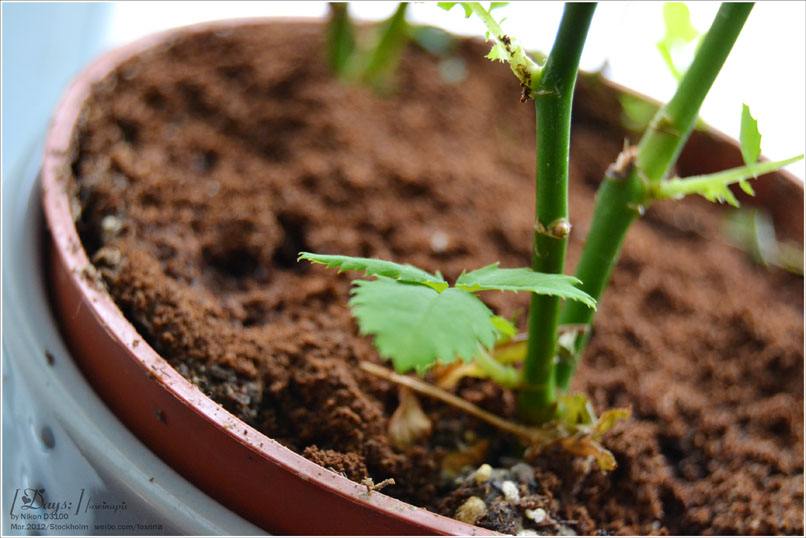
For the use of coffee grounds, how to grow flowers with coffee? How to make Coffee residue Fertilizer
For the use of coffee grounds, for flower lovers, flower cultivation is the most suitable, but for coffee grounds flower lovers have tried but failed, so how to make coffee grounds fertilizer can be absorbed by plants? First, let's look at the benefits of coffee grounds fertilizer: coffee grounds contain a lot of nitride, which is very suitable for plants that like acidic soil, so coffee grounds are used as fertilizer.

Coffee recycling What is the use of coffee grounds
Coffee is full of treasure. Coffee grounds that are usually brewed at home or left in the company pantry are of great use. Today, I want to tell you what the coffee grounds are for. Understand the use of coffee grounds, conducive to low-carbon life to give some power. Oh, no teasing, coffee grounds have what use, let do not understand coffee grounds literacy friends. Picture for coffee grounds

What should we do with coffee grounds?
More and more people begin to like coffee, and some enthusiasts begin to make coffee at home. For many people, after making coffee, the coffee grounds are like waste.
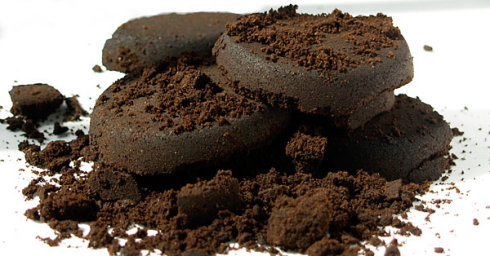
The craft of low-carbon housewives in Tokyo, Japan, put coffee grounds in smelly socks to remove the smell.
When I first arrived in Tokyo, what impressed me most was not the exquisite sushi and the beautiful metropolitan scenery, but the frugal style of Japanese housewives and the tenacious spirit of low-carbon life. This is not the individual behavior of one or two people, but a kind of ideological identity in a general sense. Thrifty Japanese housewives have a good sense of housekeeping, and the landlady who rents a house to me is no exception. she